Plant Antinutrients: Oxalates, Lectins and Other Compounds
Antinutrients are natural plant compounds, such as oxalates, lectins, phytates and goitrogens, that can block mineral absorption or irritate the gut in large amounts. Dose, preparation and your own health history matter far more than whether a food is a plant.
By ChaseUpdated 7 min read
On this page
What are antinutrients?
Many plants defend themselves chemically. Some of those chemicals bind minerals like calcium, iron and zinc so your body absorbs less of them. Others resist digestion or bind to the gut lining. Nutrition scientists call this group “antinutrients.”
The word describes an effect, not a poison. Some of the same compounds, like phytates and polyphenols, also act as antioxidants. Whether one matters for you depends on how much you eat, how it was prepared, and the rest of your diet.
The main antinutrients and how to reduce them
| Compound | Found in | Possible issue | How to reduce |
|---|---|---|---|
| Oxalates | Spinach, rhubarb, chard, beets, almonds, cocoa | Bind calcium; can contribute to calcium oxalate kidney stones | Boil greens and discard the water; eat with calcium; vary foods |
| Phytates (phytic acid) | Whole grains, beans, lentils, nuts, seeds | Lower absorption of iron, zinc and calcium from the same meal | Soak, sprout, ferment (sourdough), cook |
| Lectins | Raw beans (especially red kidney), grains, some nightshades | Raw kidney bean lectin causes vomiting and diarrhea | Soak, then boil hard; avoid slow-cooking raw beans |
| Goitrogens | Cabbage, kale, broccoli, Brussels sprouts, soy, cassava | Can interfere with thyroid iodine use, mainly with low iodine | Cook; get enough iodine; avoid huge raw amounts |
| Tannins | Tea, coffee, red wine, some legumes | Reduce absorption of non-heme (plant) iron | Drink tea or coffee between meals, not with them |
| Trypsin inhibitors | Raw soybeans and other legumes | Interfere with protein digestion | Heat; cooked and fermented soy is low |
| Glycoalkaloids (solanine) | Green or sprouting potatoes | Nausea and digestive upset in large amounts | Cut away green parts and sprouts; store potatoes in the dark |
| Cyanogenic glycosides | Cassava, bitter almonds, apricot kernels | Release cyanide if eaten raw or unprocessed | Peel, soak, ferment and cook cassava fully |
Almost every one of these is reduced by traditional preparation. Soaking beans, fermenting bread and boiling greens make plant foods safer and more nutritious.
High oxalate foods: the list
Oxalate has the clearest real-world effect. In the gut it binds calcium. What is absorbed is filtered by the kidneys, where it can combine with calcium to form crystals. Calcium oxalate is the most common type of kidney stone.
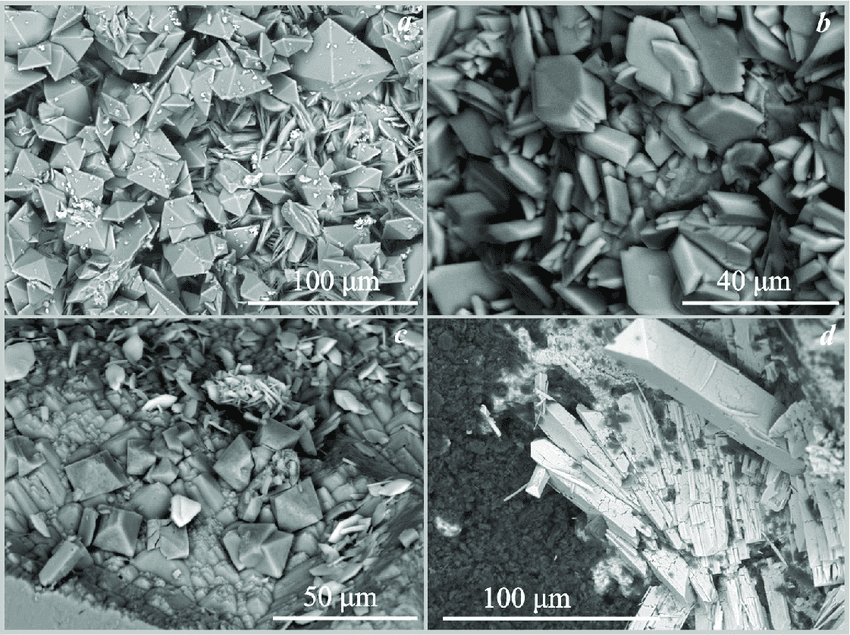
Oxalate content varies by variety, soil and lab method, so the list uses relative levels. A half-cup of cooked spinach is commonly listed at several hundred milligrams, far more than almost any other food.
| Food | Oxalate level | Notes |
|---|---|---|
| Spinach | Very high | The top common source by a wide margin |
| Rhubarb | Very high | Leaves are toxic; stalks are high in oxalate |
| Swiss chard, beet greens | Very high | Same family as spinach and beets |
| Beets | High | Roots are lower than the greens |
| Almonds, cashews | High | Almond flour and almond milk add up quickly |
| Buckwheat, rice bran | High | Popular in gluten-free baking |
| Cocoa, dark chocolate | Medium to high | Higher cocoa content means more oxalate |
| Potatoes (with skin), sweet potatoes | Medium to high | Much of it is in and near the skin |
| Black tea | Medium | Depends on strength and how much you drink |
| Kale, cabbage, broccoli, cauliflower | Low | Good lower-oxalate greens |
| Lettuce, cucumber, zucchini | Low | |
| Meat, fish, eggs, dairy | Essentially none | Animal foods are oxalate-free for practical purposes |
Kale is low in oxalate, while popular “healthy” swaps like almond flour, spinach smoothies and cacao are some of the highest sources. Eaten daily, they can add up to far more oxalate than a standard diet.
Lectins in food: real risk vs hype
Lectins are proteins that bind to sugars, including those on the lining of your gut. One is genuinely dangerous: phytohaemagglutinin, in raw or undercooked red kidney beans. The U.S. Food and Drug Administration notes that eating only a handful of raw kidney beans can cause severe nausea, vomiting and diarrhea within hours.
Soak dried beans, then boil them hard, not just simmer. Slow cookers that never reach a full boil can leave the lectin active, and undercooked beans can be more toxic than raw ones. Canned beans are already cooked.
The claim that lectins in cooked grains, tomatoes and other foods drive chronic inflammation and weight gain in most people comes mostly from popular diet books. There is some lab and animal research, but little direct human evidence. If you suspect a food bothers you, an elimination and reintroduction test will tell you more.
Goitrogens and your thyroid
Goitrogens are compounds that can interfere with how the thyroid uses iodine. The best-known come from glucosinolates in cruciferous vegetables like cabbage, broccoli, kale and Brussels sprouts. Soy isoflavones and cassava also have goitrogenic effects.
The risk is mainly in people with low iodine intake or who eat very large amounts of raw cruciferous greens every day. Cooking reduces the active compounds. If you take levothyroxine, soy and some other foods can reduce how much is absorbed, so ask your doctor or pharmacist about timing.
Who is most affected by antinutrients?
| Group | Main concern | Why |
|---|---|---|
| People with calcium oxalate kidney stones | Oxalates | Higher urinary oxalate raises the risk of new stones |
| People with fat malabsorption (Crohn’s, bariatric surgery, short bowel) | Oxalates | Unabsorbed fat binds calcium, so more free oxalate is absorbed |
| People with chronic kidney disease | Oxalates | Less ability to clear oxalate |
| People with low iodine intake | Goitrogens | Goitrogens matter most when iodine is short |
| Vegans and people eating mostly grains and beans | Phytates, tannins | Plant iron and zinc are already less absorbable |
| People with IBS or sensitive digestion | Lectins, fiber, FODMAPs | Individual tolerance varies widely |
There are case reports of acute kidney injury from oxalate in people who juiced or blended very large amounts of spinach or other high-oxalate produce every day. That is a dose problem, not a risk from normal portions.
Are vegetables bad for you?
No, not as a rule. In large population studies, people who eat more vegetables and fruit tend to have lower rates of heart disease and early death. Those studies are observational and can’t prove cause, but they don’t support the idea that vegetables are broadly toxic. The accurate claim is narrower: some plants contain compounds that some people tolerate poorly, especially in large amounts, raw, or poorly prepared.
Where the carnivore diet fits
A carnivore diet removes every antinutrient on this page at once, along with sugar, refined grains and most processed food. That may be one reason some people report feeling better on it, though it is hard to know which change matters. The evidence on carnivore diet benefits is still mostly self-reported.
My clearest signal was grains. After about a month without them, a slice of bread brought back bloating and brain fog the next day. I can’t say whether that was lectins, gluten, fiber or something else. If you are considering carnivore:
- “Oxalate dumping,” symptoms some people blame on stored oxalate leaving the body after going low-oxalate, is widely discussed online but has not been well studied.
- Removing plants also removes fiber and vitamin C sources. Read are carbs essential? for what your body can and can’t make on its own.
- If you want to go stricter still, the lion diet is beef, salt and water only. Most people do better starting with a more varied carnivore diet.
If you later add plants back, reintroduce one food at a time and watch for 2 to 3 days, starting with lower-oxalate, cooked vegetables.
Frequently asked questions
What are antinutrients?
Antinutrients are natural compounds in plants, such as oxalates, phytates, lectins, tannins and goitrogens, that can reduce mineral absorption or irritate the gut in large amounts. Cooking, soaking and normal portions reduce their effect for most people.
Which foods are highest in oxalates?
Spinach is the best-known high-oxalate food, followed by rhubarb, Swiss chard, beet greens, beets, almonds, cashews, buckwheat, cocoa and potatoes with the skin. Kale, cabbage, broccoli and cauliflower are much lower, and meat, fish, eggs and dairy contain essentially none.
Do lectins cause inflammation?
Some raw lectins clearly cause harm: undercooked red kidney beans can cause severe vomiting and diarrhea, and proper soaking and boiling inactivates most of them. The claim that lectins in cooked foods cause chronic inflammation in most people has little direct human evidence.
Should I avoid oxalates if I have kidney stones?
If you have had calcium oxalate stones, doctors usually suggest limiting the highest-oxalate foods, drinking more fluids, and getting enough calcium with meals, since calcium binds oxalate in the gut. Cutting calcium tends to raise stone risk.
Does cooking remove antinutrients?
Cooking reduces many of them. Boiling lowers soluble oxalate in leafy greens if you discard the water, heat destroys most harmful lectins and trypsin inhibitors, and soaking, sprouting and fermenting cut phytates in grains and beans.
Are cruciferous vegetables bad for your thyroid?
For most people, no. Cruciferous vegetables contain goitrogens that can interfere with iodine use, but this matters mainly with iodine deficiency or very large amounts eaten raw.
Keep reading
Carnivore Diet Food List & Meal Plan
Chase in Start here
What to eat, what to skip, a 7-day meal plan and a printable shopping list.
Food listCarnivore Diet Benefits: What Changes and When
Chase in Learn
Weight, energy, digestion, mood and skin: what people report and what the evidence says.
BenefitsAre Carbs Essential? What the Science Says
Chase in Research
Essential nutrients, gluconeogenesis and what happens when you cut carbs.
Are carbs essential?The Lion Diet: Rules, Food List and Who It’s For
Chase in Learn
Beef, salt and water only. How it differs from carnivore and when people use it.
Lion diet